How Long Does Botox Really Last? Evidence-Backed Guide for Jupiter, FL Patients
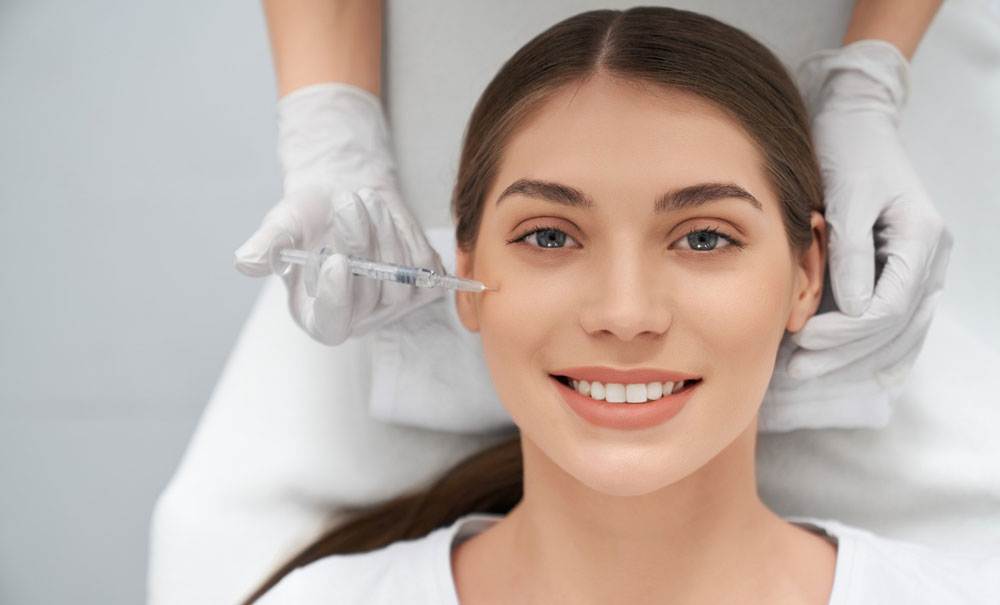
If you’re planning to get Botox in Jupiter, FL, one of the biggest questions you may have is: How long does Botox actually last? At Perizia Aesthetics, we understand that patients want clear, science-backed answers—not vague guesses. That’s why this article provides an educational, research-driven breakdown of Botox longevity, supported by clinical evidence and authoritative medical sources.
Our practice specializes in delivering natural, long-lasting neuromodulator results with precision and safety at the forefront. If you’d like to explore our Botox options, you can visit our Botox in Jupiter page at Perizia Aesthetics – Botox Treatment.
For appointments, consultations, or questions, call 561-318-7895 or reach us directly through our contact page.
This article uses clinical data from Cleveland Clinic, American Society of Plastic Surgeons, NIH-Published Research, and peer-reviewed studies, ensuring that the information you’re reading reflects the most reliable evidence in medical aesthetics.
What Botox Is and How It Works

Botox (onabotulinumtoxinA) works by temporarily relaxing specific facial muscles through neuromuscular blocking. By reducing muscle activity, Botox smooths expression-driven wrinkles and prevents deeper lines from forming.
To understand how long Botox lasts, it helps to understand how it interacts with facial muscles. Research published via the National Institutes of Health reports that Botox’s clinical effects generally resolve after three to four months, and in many patients may last up to 120 days. This is supported by data in the article Botulinum toxin A for reducing the appearance of facial wrinkles, accessible through the NIH’s PubMed Central archive.
A broader scientific review from King’s College London found that Botox typically lasts two to six months, with the most common window being three to four months. This literature summary is available through the King’s College London academic repository.
Clinical Evidence: How Long Botox Lasts in Most Patients
Average Duration: 3–4 Months
Across clinical institutions, the most widely supported duration for Botox is three to four months. The Cleveland Clinic confirms this as the standard expectation for most patients.
The American Society of Plastic Surgeons similarly reports that while many patients fall in the 3–4 month range, others may experience shorter (around two months) or longer-lasting results (four to six months).
These ranges reflect real-world neuromodulator results rather than idealized marketing claims, giving patients a more realistic understanding of what to expect.
Research-Supported Range: 2–6 Months
A deeper review from King’s College London (linked above) shows a broader variability window of two to six months, dependent on numerous factors such as:
- Dosage
- Injection technique
- Muscle mass
- Facial expression patterns
- Metabolic rate
This research helps explain why Botox longevity can differ so much among individuals.
Gender-Based Duration Differences
A meta-analysis published on PubMed found that Botox duration can vary between men and women:
- Women: typically 3–5 months
- Men: typically 4–6 months, due to generally stronger facial muscles
The study also notes that most participants experienced return of muscle movement by the six-month mark.
These findings underline the importance of personalization in Botox treatment planning.
What Affects How Long Botox Lasts?
Muscle Strength and Activity Patterns
Heavily used muscles—such as those involved in raising brows or squinting—break down neuromodulator effects faster. This is why forehead lines may require more frequent Botox maintenance compared to areas like the glabella (frown lines).
Dosage and Treatment Plan
Higher-strength or highly active muscles sometimes require more units to achieve ideal Botox longevity. Because dose and facial anatomy vary from patient to patient, pricing depends on these specifics—but the focus is always on providing the most natural, effective result.
Injector Skill and Technique
Longevity is heavily influenced by injector expertise. Precision mapping of injection points, correct dosage distribution, and strategic depth all support longer-lasting outcomes.
Individual Physiology
Your body’s metabolism, fitness level, and even stress levels can influence neuromodulator results. Highly active patients or those with very fast metabolic rates may experience shorter Botox duration.
Consistency of Treatments
Patients who maintain a regular Botox maintenance schedule (every 90–120 days) often enjoy longer-lasting effects over time as muscles adapt to reduced activity.
Botox Longevity by Treatment Area
Because each facial muscle group has its own movement pattern and strength, Botox doesn’t last the same everywhere:
- Glabella (frown lines): Often lasts longest
- Forehead lines: Shortest duration due to constant upward motion
- Crow’s feet: Moderate duration
- Lip flip: Typically around two months
- Masseter/Jawline: Often lasts four to six months
Understanding these anatomical differences helps set accurate expectations for Botox treatment duration.
How to Make Botox Last Longer
To maximize neuromodulator results:
Choose a skilled injector
Precision influences both appearance and longevity.
Maintain a consistent treatment schedule
Regular appointments reinforce muscle relaxation for more stable, longer-lasting results.
Protect your skin
Sun exposure—common in Jupiter, Florida—accelerates signs of aging and can influence how quickly lines reappear.
Support your skin barrier
Well-hydrated, well-cared-for skin sustains smoother results.
Avoid strenuous activity immediately after injections
This allows the neuromodulator to settle properly.
Signs That Your Botox Is Wearing Off
Understanding the early signs of diminishing neuromodulator results helps you plan your next appointment before lines fully return. While Botox wears off gradually, patients often notice subtle changes that indicate the muscles are regaining movement.
Gradual Return of Facial Movement
The first sign is usually a slight increase in muscle movement, such as mild brow elevation or softening of the frozen effect in the glabella or crow’s feet. These changes are often subtle but become noticeable as the neuromodulator results fade.
Re-Emergence of Expression Lines
Fine lines begin to appear again, especially in high-movement zones like the forehead or around the eyes. While these lines won’t return with full strength immediately, their gradual return is a natural part of the neuromodulator cycle.
When to Schedule Your Next Appointment
Most patients benefit from scheduling their next treatment when early movement returns—typically around the 90–120 day mark. Maintaining a consistent treatment interval helps prolong Botox aesthetic outcomes and prevents deeper wrinkles from forming.
Frequently Asked Questions About Botox Longevity
Can Botox Ever Last Longer Than Six Months?
While uncommon, some individuals do experience longer results. A study referenced in earlier research reported rare cases approaching 7–11 months, though this is considered outside the typical range. The majority of scientific literature continues to support the three- to four-month expectation, as seen in research from the Cleveland Clinic, the American Society of Plastic Surgeons, and NIH-backed studies.
Why Does Botox Only Last Two Months for Some People?
Shorter Botox longevity may be influenced by:
- High muscle strength
- Faster metabolism
- Intense workout routines
- Expression-heavy habits
- Lower-dose treatments
As supported by the research available through PubMed Central, individual variation is normal and expected.
Does Botox Last Longer After Multiple Treatments?
Yes. Many patients experience longer-lasting neuromodulator results over time as repeated treatments encourage muscles to relax more consistently, reducing their strength and overactivity.
Do Workouts Make Botox Wear Off Faster?
Intense or high-frequency exercise may influence metabolism, which can slightly shorten duration. This point is supported across multiple clinical reviews that note metabolism as a factor in Botox treatment duration.
Do Different Neuromodulator Brands Last Longer?
Botox is the most studied neuromodulator. Duration varies slightly by formulation, but differences depend more on dose, technique, and muscle activity patterns than the brand itself.
Is Botox Shorter-Lasting in the Forehead?
Yes. Because the forehead is one of the most frequently used facial muscle groups, it often shows shorter neuromodulator results compared to areas like the glabella.
Do Men Require More Units for Longer Results?
Men often have stronger facial muscles, which is why studies like the PubMed meta-analysis show longer duration in men—but also note that men often require higher dosing for optimal effect.
How Long Does It Take for Botox to Fully Wear Off?
Most patients see full return of movement by four months, though some may experience residual softening up to the six-month mark. This aligns with findings from the King’s College London review.
When Should I Book My Next Botox Appointment?
You should book when early movement returns, which typically occurs at the 90–120 day point. Consistency is key to long-term Botox longevity.
Why Choose Perizia Aesthetics for Botox in Jupiter, FL

At Perizia Aesthetics, we combine clinical knowledge with an individualized approach. Our techniques are grounded in the anatomical and scientific factors that influence Botox longevity, including muscle movement reduction, treatment interval planning, and precision mapping.
We focus on:
- Customized neuromodulator results
- Natural, balanced aesthetic outcomes
- Treatment plans designed for optimal Botox treatment duration
- Expert injector technique to maximize longevity
- Patient education for maintaining long-lasting results
Whether you’re new to Botox or maintaining your aesthetic routine, we ensure that your experience is consistent, comfortable, and backed by clinical evidence.
Start Your Long-Lasting Botox Plan With Perizia Aesthetics
Understanding how long Botox lasts empowers you to make informed decisions about your aesthetic care. With research showing that most patients enjoy three to four months of results—and some experiencing up to six months depending on individual factors—the key to long-lasting outcomes lies in consistent, expertly performed treatments.
If you’re ready to begin your personalized Botox maintenance schedule, you can learn more through our Botox treatment page or contact us directly at 561-318-7895.
You can also reach out online through our contact page to schedule your consultation.
Let Perizia Aesthetics help you achieve smoother, more youthful, and longer-lasting results—supported by science, delivered with precision.