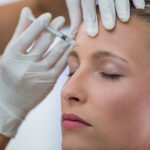
What Areas of the Face Can Botox Treat? A Complete Guide by Perizia Aesthetics in Jupiter, FL
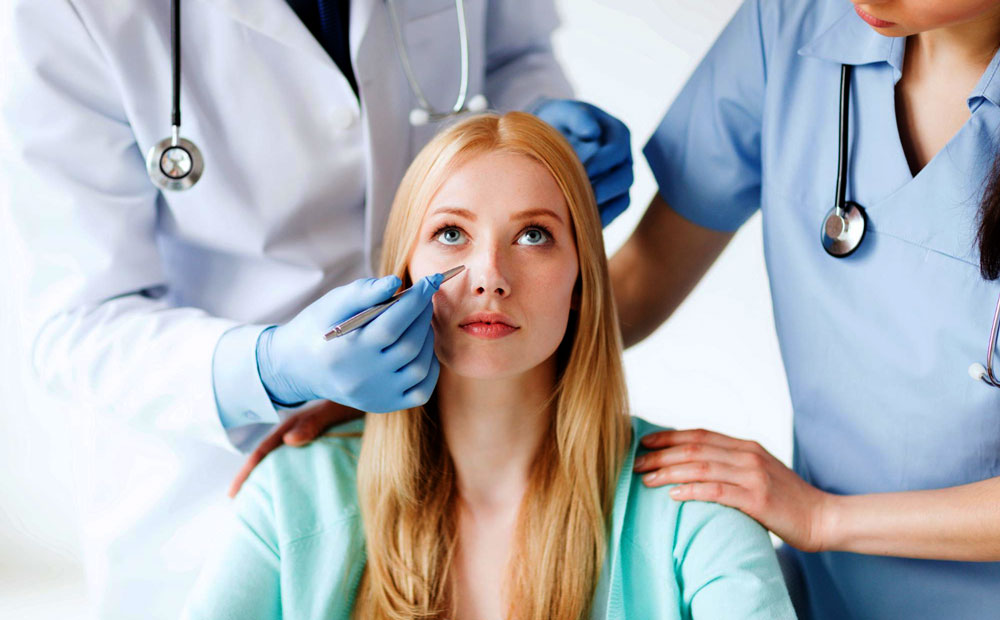
If you’re exploring Botox and wondering which facial areas it can safely and effectively treat, this comprehensive guide from Perizia Aesthetics in Jupiter, Florida will help you make informed decisions backed by credible medical sources. Our practice is committed to natural-looking aesthetic outcomes, clinical precision, and patient education. To learn more about our services, visit the Botox treatment page or reach us directly at 561-318-7895. You can also request a consultation through our contact page.
According to clinical literature published in the NCBI Bookshelf, Botox is the most commonly performed cosmetic procedure worldwide, with upper-face treatments leading all neuromodulator applications. Meanwhile, research from the Global Aesthetics Consensus confirms that Botox treatments have expanded beyond the upper face to include the mid-face, jawline, and neck—providing more complete facial rejuvenation.
Using authoritative data from the FDA, BOTOX® Cosmetic, the NIH, the Global Aesthetics Consensus, and the Cleveland Clinic, this article explains every major area of the face where Botox may be appropriately used. This ensures you get accurate insights supported by the latest medical understanding.
How Botox Works: The Science Behind Smoother Skin
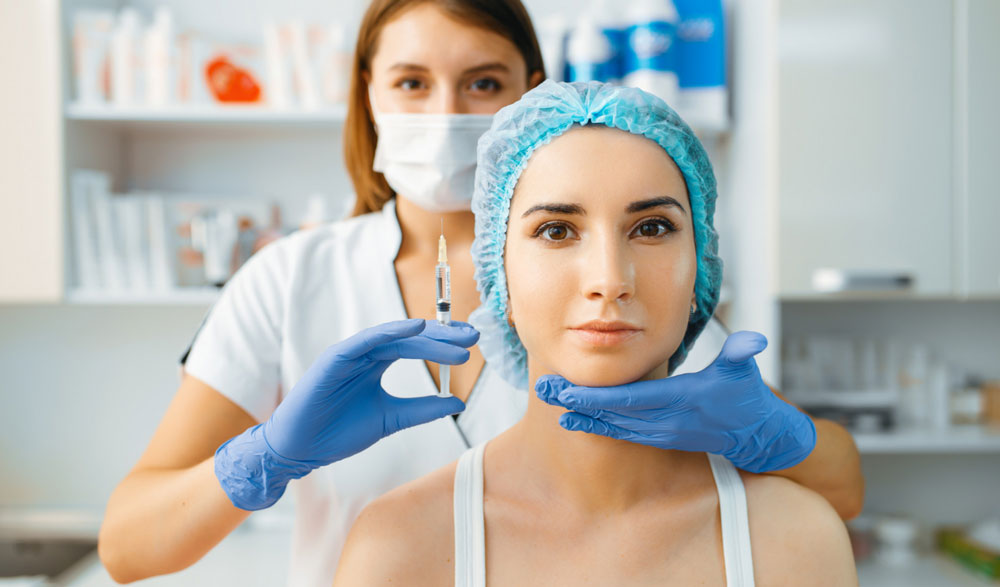
Botox (onabotulinumtoxinA) works by temporarily blocking acetylcholine, the neurotransmitter responsible for activating muscle contraction. As explained by the Cleveland Clinic, this interruption helps soften dynamic wrinkles—the lines that form from repeated muscle movements like frowning, squinting, and smiling.
Dynamic wrinkles become more pronounced with age, while static wrinkles remain visible even when muscles are at rest. Botox primarily targets dynamic wrinkles by reducing excessive muscle activity, giving the skin a smoother, more refreshed appearance.
Each treatment area corresponds to a specific muscle, which is why understanding facial anatomy is essential for natural-looking, balanced results.
FDA-Approved Botox Treatment Areas
Botox Cosmetic has three officially FDA-approved treatment areas. These are detailed on the BOTOX® Cosmetic indications page as well as within the FDA’s upper facial lines guidance.
1. Glabellar Lines (Frown Lines / “11s”)
Glabellar lines form due to repeated contraction of the corrugator and procerus muscles. As noted in the NCBI upper-face treatment review, treating these lines is one of the most common cosmetic uses of Botox worldwide. Relaxing the glabellar complex helps soften harsh expressions and restore a calm, rested appearance.
2. Crow’s Feet (Lateral Canthal Lines)
Crow’s feet appear along the outer corners of the eyes due to repeated contraction of the orbicularis oculi muscle. The BOTOX® Cosmetic treatment area page lists crow’s feet as one of the three FDA-approved zones. Treating this area helps smooth lateral eye wrinkles for a brighter, more refreshed look.
3. Forehead Lines (Frontalis Muscle)
Forehead lines develop from repetitive eyebrow elevation. The FDA guidance document recognizes this as an approved indication. Because the frontalis is the only brow-lifting muscle, the injector must create balance to avoid over-relaxation or altered brow shape. Proper technique ensures smoother lines while maintaining natural expression.
Common Off-Label Botox Areas Supported by Clinical Research
Many popular Botox treatments fall under “off-label” use—not FDA-indicated, but widely practiced and supported by clinical consensus. The Global Aesthetics Consensus Group and the Cleveland Clinic both document the effectiveness and safety of these additional areas when performed by trained professionals.
Bunny Lines (Nasal Bridge Wrinkles)
The Cleveland Clinic identifies the nose as a common treatment zone. Bunny lines form when the nasalis muscle contracts during smiling or scrunching. Botox relaxes this area for a smoother mid-face appearance.
Subtle Brow Lift
The Global Aesthetics Consensus explains that modern Botox use expands into adjacent facial muscles, including brow depressors. Targeting these muscles can create a subtle lifting effect, opening the eyes without surgery.
Gummy Smile Correction
A hyperactive levator labii muscle can expose excess gum tissue when smiling. The Cleveland Clinic lists lip treatments among common Botox uses, supporting this technique. Botox helps relax the overactive muscles to create a more proportionate smile.
Lip Flip Enhancement
Relaxing the orbicularis oris muscle allows more of the upper lip to show, improving shape without fillers. This technique is commonly documented in perioral neuromodulator treatment guidelines.
Chin Dimples / “Orange Peel” Texture
Overactivity of the mentalis muscle can create dimpling or uneven chin texture. Since the Cleveland Clinic includes the chin among treatable zones, this lower-face technique is supported as a safe off-label option.
Masseter Reduction / Jawline Slimming
Botox in the masseter muscles can soften a square jawline or help with teeth grinding. The Global Aesthetics Consensus acknowledges the expansion of neuromodulator use beyond the upper face into functional muscles such as the masseter.
Platysma Bands (Neck Lines)
The neck is also listed among treatable areas by the Cleveland Clinic. Botox can reduce the appearance of platysmal banding by relaxing the vertical muscles that create neck cords.
Why Anatomic Precision Matters in Botox Injection Planning
Botox is not a one-size-fits-all treatment. Every person has unique facial anatomy, muscle strength, expression patterns, and aesthetic goals. That’s why injection planning requires a high level of precision. The Global Aesthetics Consensus emphasizes that dosing and placement must be based on analyzing each target muscle along with the surrounding soft and hard tissues. In other words, expert injectors do much more than simply “treat wrinkles.” They study how each facial muscle interacts with its neighbors, how expressions shift, and how the face changes with age.
This level of precision is what creates natural results. For example, injections into the frontalis muscle must be balanced against the brow depressors to avoid unwanted brow heaviness. Similarly, treating crow’s feet requires understanding orbital muscle patterns to maintain natural smiling. Careful planning is also essential when addressing off-label areas like the masseter or platysma, which have functional purposes beyond aesthetics.
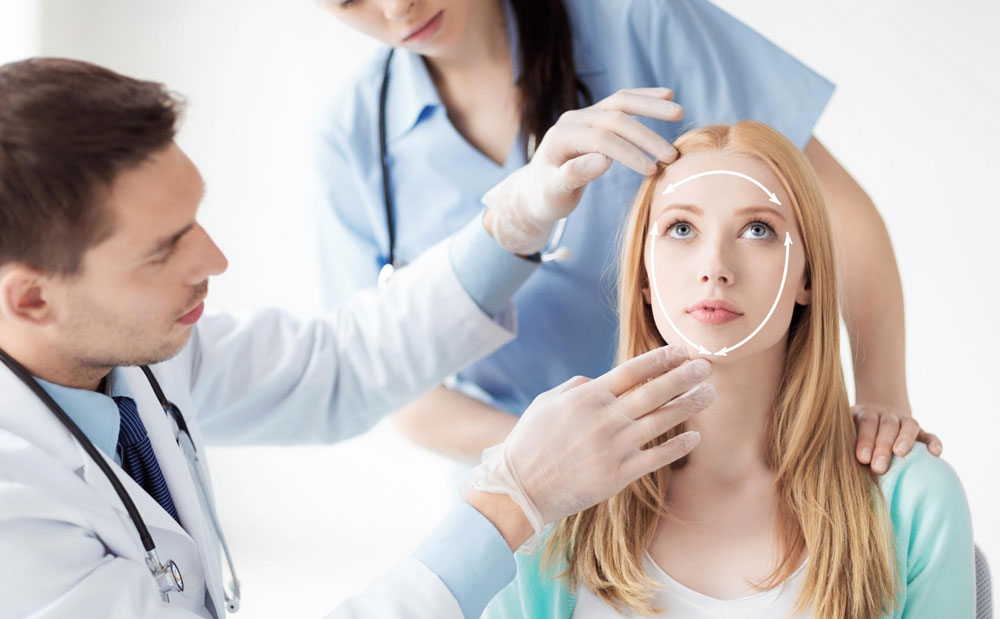
At Perizia Aesthetics, every treatment begins with a facial assessment designed to map the unique movement patterns of your upper face, mid-face, and lower face. This approach allows us to tailor neuromodulator treatment plans that soften dynamic wrinkles while maintaining your personal expressions.
What Results to Expect: Onset, Longevity, and Aftercare
A key benefit of Botox is that results appear gradually and naturally. As explained by the Cleveland Clinic, you can expect:
Onset
Most people begin noticing improvement within 3 to 7 days as treated muscles start to relax.
Peak Results
Full smoothing effects typically appear within 10 to 14 days. This is why follow-ups or touch-ups are scheduled after the two-week mark when necessary.
Longevity
Results usually last around 3 to 4 months for most treatment areas. Some zones—such as the masseter—may last longer because the muscles are larger and respond differently over time.
Aftercare
Common aftercare recommendations include avoiding rubbing or applying pressure to the treated areas for several hours, postponing strenuous exercise until the next day, and keeping your head elevated shortly after injections. These measures help ensure the neuromodulator stays precisely where it was placed.
Because each person metabolizes Botox differently, longevity varies. Factors such as muscle strength, treatment area, and individual biology all influence how long your results will last.
Botox at Perizia Aesthetics in Jupiter, Florida
Choosing the right provider is one of the most important steps in achieving natural, balanced results. At Perizia Aesthetics, Botox treatments are performed with a focus on precision, subtlety, and individualized planning. Our goal is to help you look refreshed—never frozen or overdone.
During your consultation, we examine how your muscles move, how your expressions flow, and which combination of treatment areas best aligns with your goals. Whether you’re addressing upper-face lines, smile-related aesthetic concerns, chin dimpling, or jawline slimming, the objective is always the same: natural-looking rejuvenation that complements your features.
We invite prospective patients to learn more about our approach on our dedicated Botox Jupiter service page or reach out through our contact page. You may also call 561-318-7895 to schedule a personalized consultation.
Conclusion
Botox is one of the most versatile and research-supported cosmetic treatments available today. From the FDA-approved areas—frown lines, crow’s feet, and forehead lines—to widely accepted off-label zones like bunny lines, chin dimpling, jawline slimming, gummy smiles, lip flips, and platysma bands, the possibilities are far more extensive than many patients realize. Supported by resources from the NIH, FDA, Cleveland Clinic, BOTOX® Cosmetic, and the Global Aesthetics Consensus, these treatment areas demonstrate how facial anatomy, muscle function, and expert technique all work together to create rejuvenating effects.
If you’re ready to explore how Botox may enhance your natural features, Perizia Aesthetics in Jupiter, Florida is here to guide you. Schedule your consultation today and experience personalized, high-standard aesthetic care.