Best Foods to Eat After Liposuction: Optimize Your Healing & Results at Perizia Aesthetics
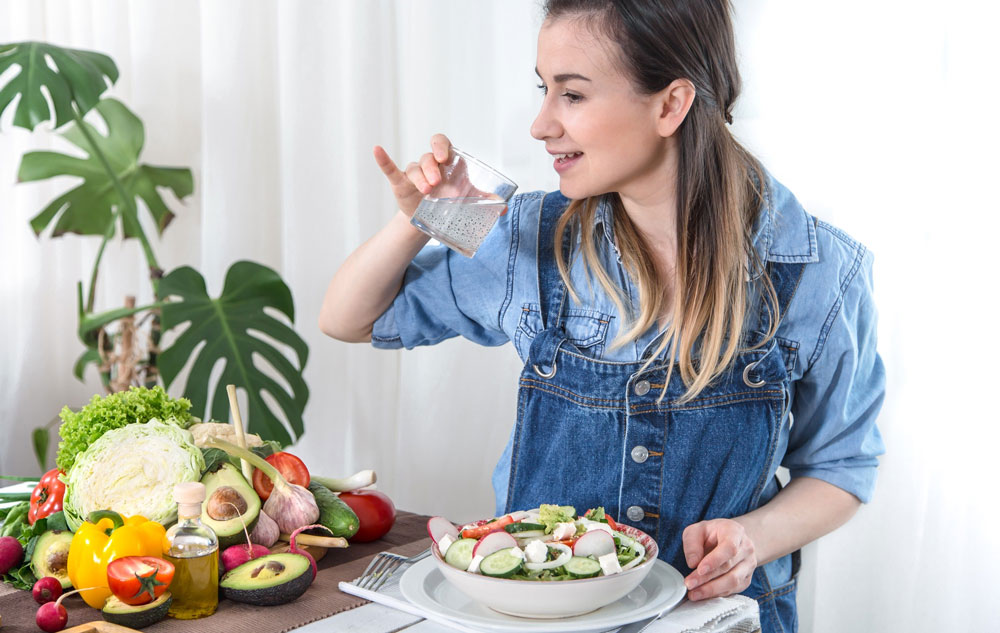
If you’ve invested in liposuction, the healing process is just as important as the procedure itself. At Perizia Aesthetics in Jupiter, Florida, we specialize in minimally invasive SmartLipo—a laser-assisted form of liposuction designed to remove stubborn fat and sculpt your body with precision and reduced downtime.
But the results you see in the mirror depend on more than what happens in the treatment room. What you eat after your procedure directly impacts your recovery speed, swelling, and the longevity of your new shape.
In this guide, we’ll explore the best foods to eat after liposuction, why diet matters for healing, and how to preserve your results for the long term—all supported by expert data from trusted medical and surgical sources.
Nourishment Is Recovery: Why Diet Matters After Liposuction

Even though SmartLipo is a minimally invasive procedure, it still triggers your body’s natural healing response—tissue repair, fluid shifts, and mild inflammation. Proper nutrition helps accelerate this process, improves skin tightening, and minimizes swelling.
According to the American Society of Plastic Surgeons, diet and hydration play a crucial role in recovery from any cosmetic surgery. Nutrients like protein, vitamin C, and omega-3 fatty acids support collagen synthesis, while antioxidants reduce inflammation.
At Perizia Aesthetics, we remind every patient: your post-surgery meals are just as vital as your follow-up visits.
Understanding Healing After Liposuction
During liposuction, small incisions allow fat to be gently liquefied and removed. Your body then undergoes a period of tissue regeneration, lymphatic drainage, and collagen remodeling.
A diet rich in lean protein, vitamins, and anti-inflammatory foods gives your body the fuel it needs to rebuild and renew. This isn’t about dieting—it’s about feeding your recovery.
Swelling is normal after SmartLipo, but the right foods can help control it. Clinics such as Plastic Surgery STL recommend reducing sodium and increasing hydration to help the lymphatic system do its job efficiently.
Core Nutritional Guidelines After Liposuction
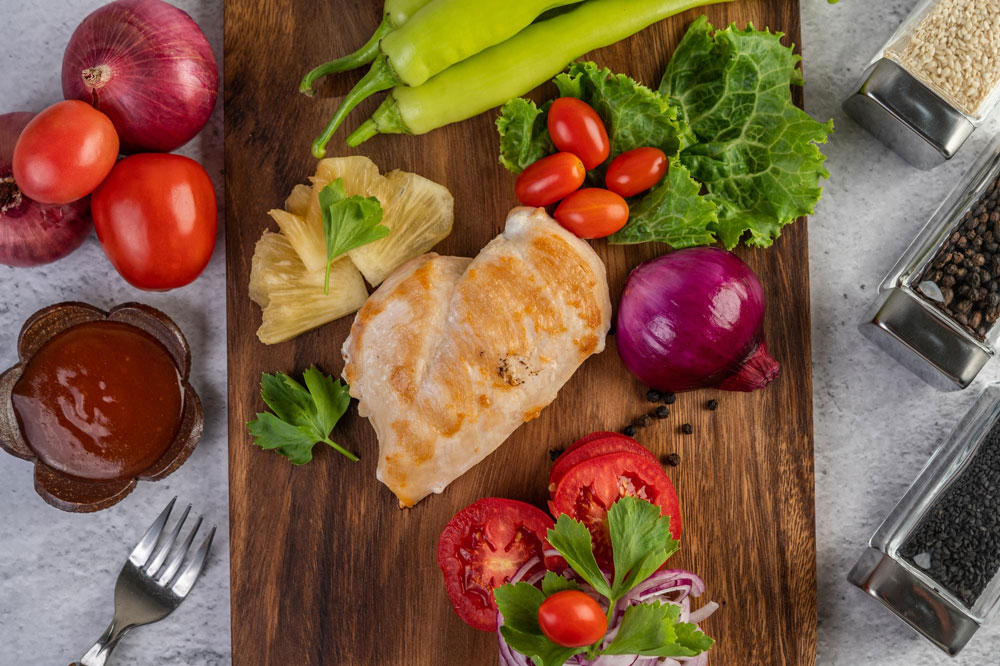
Eating clean, nutrient-rich foods supports every stage of recovery. Here’s how to structure your diet for optimal healing.
Lean Proteins: Fuel for Repair
Protein is the foundation of wound healing and muscle maintenance. Foods such as skinless chicken breast, turkey, fish, eggs, tofu, and Greek yogurt supply essential amino acids for collagen synthesis and tissue repair.
The experts at Memorial Plastic Surgery emphasize that protein intake is crucial after any cosmetic surgery because it directly affects how fast and effectively tissues heal.
Anti-Inflammatory Fats
Healthy fats help control inflammation and support skin recovery. Sources like avocado, olive oil, salmon, walnuts, chia seeds, and flaxseeds are ideal for maintaining cell structure and elasticity.
According to LipoDoc.com, omega-3 fatty acids can reduce post-operative swelling while enhancing overall recovery outcomes.
High-Antioxidant Fruits & Vegetables
Brightly colored fruits and vegetables are full of antioxidants and micronutrients that help your body fight oxidative stress and inflammation. Choose from berries, oranges, papaya, kiwi, spinach, kale, bell peppers, and broccoli.
A Kansas Plastic Surgery guide notes that these foods not only improve immune function but also support healthy skin healing and tone.
Hydration & Gentle Fiber
Post-surgery, your body retains fluids as part of the healing process. Staying hydrated helps flush excess fluid, aids digestion, and improves lymphatic drainage. Drink plenty of water and eat hydrating foods like cucumber, watermelon, and celery.
According to KAO Plastic Surgery, a good rule of thumb is to drink half your body weight in ounces of water daily. Add gentle fiber sources like oats, brown rice, and vegetables to prevent constipation, a common side effect of pain medication and inactivity.
The Four Phases of Post-Liposuction Eating
Recovery isn’t static—it’s a process. The foods you eat should evolve as your body heals. Here’s a timeline based on leading post-op guidelines from Plastic Surgery STL.
Phase 1 (Day 0–1): Reintroduce Food Slowly
Stick to light, easily digestible foods like broths, soups, crackers, and clear fluids. Your body is adjusting from anesthesia and may experience mild nausea.
Phase 2 (Days 2–5): Soft, Nourishing Meals
Add in soft proteins like eggs or yogurt, along with pureed vegetables or oatmeal. Avoid spicy or greasy foods, which can irritate your stomach.
Phase 3 (Week 1–4): Full Nutrition for Healing
Gradually transition to a full, balanced diet rich in lean protein, healthy fats, and colorful produce. Continue limiting sodium and refined sugars to manage swelling.
Phase 4 (After Week 4): Maintain Long-Term Wellness
Once fully recovered, continue following an anti-inflammatory, nutrient-rich diet to sustain your results. Maintaining stable weight helps prevent fat accumulation in untreated areas, as highlighted in the Plastic Surgery STL Post-Op Guide.
Foods to Avoid After Liposuction
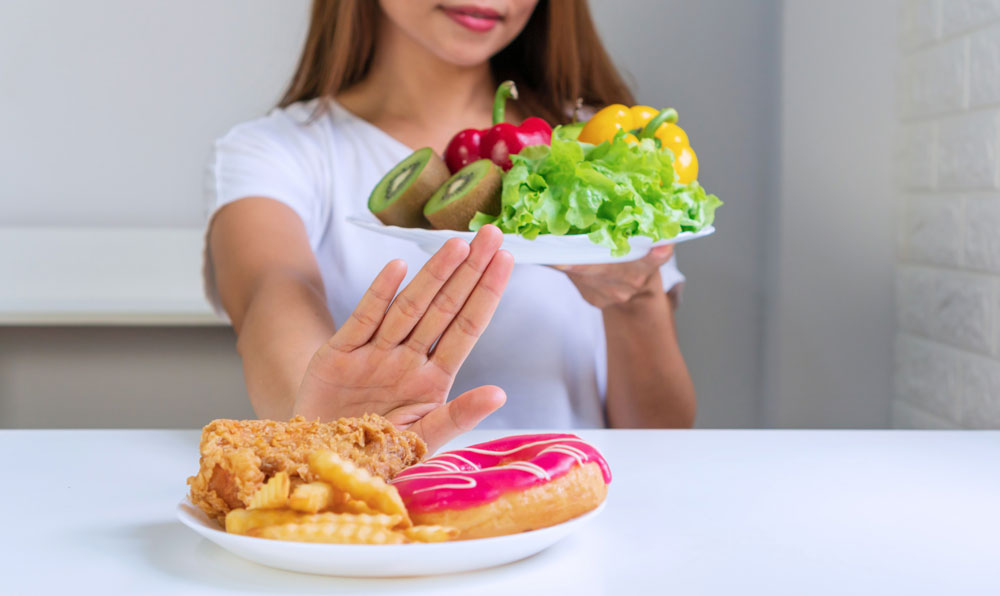
Not all foods help healing—some slow it down. Avoiding these will help your results appear faster and last longer.
Excess Sodium and Processed Foods
Salt retains fluid and worsens swelling. Skip salty snacks, canned soups, and fast food.
Sugary and Refined Foods
Excess sugar can fuel inflammation and cause weight gain. Steer clear of sodas, pastries, and candy.
Surgeons like Dr. Alan Matarasso recommend reducing processed carbs and added sugars to speed healing.
Alcohol
Alcohol dehydrates your body and interferes with tissue repair. University of Michigan Medicine advises avoiding alcohol for at least three weeks after your procedure.
Fried or Fatty Foods
These are hard to digest and promote inflammation. Focus instead on nutrient-dense, whole foods that give your body what it needs to recover.
Supplements & Bonus Tips That Support Faster Healing
While whole foods should be your foundation, certain supplements can fill in the gaps—especially if appetite is low during recovery.
Vitamin C
A powerful antioxidant, vitamin C supports collagen synthesis, fights free radicals, and boosts immunity. Citrus fruits, bell peppers, and strawberries are excellent sources. Supplementation may be considered if dietary intake is low.
Zinc
Zinc is involved in wound healing and immune support. Found in pumpkin seeds, lentils, and meat, it can also be taken in small doses as a short-term supplement post-surgery. Kansas Plastic Surgery highlights its key role in tissue regeneration.
Magnesium
Known to relieve muscle cramping and aid in relaxation, magnesium-rich foods like leafy greens, avocados, and nuts can ease discomfort and reduce stress during recovery.
Probiotics
If antibiotics were prescribed post-op, consider reintroducing healthy gut flora with probiotics. Options include yogurt (no added sugar), kefir, and fermented foods like miso and tempeh. Dr. Beverly Fischer’s Clinic recommends fermented foods to restore balance in digestion and nutrient absorption.
Bone Broth
Natural and soothing, bone broth contains gelatin, collagen, and amino acids that support skin and joint recovery. It’s also easy to digest and hydrating—ideal for early recovery days.
Long-Term Diet Tips to Maintain Your New Shape
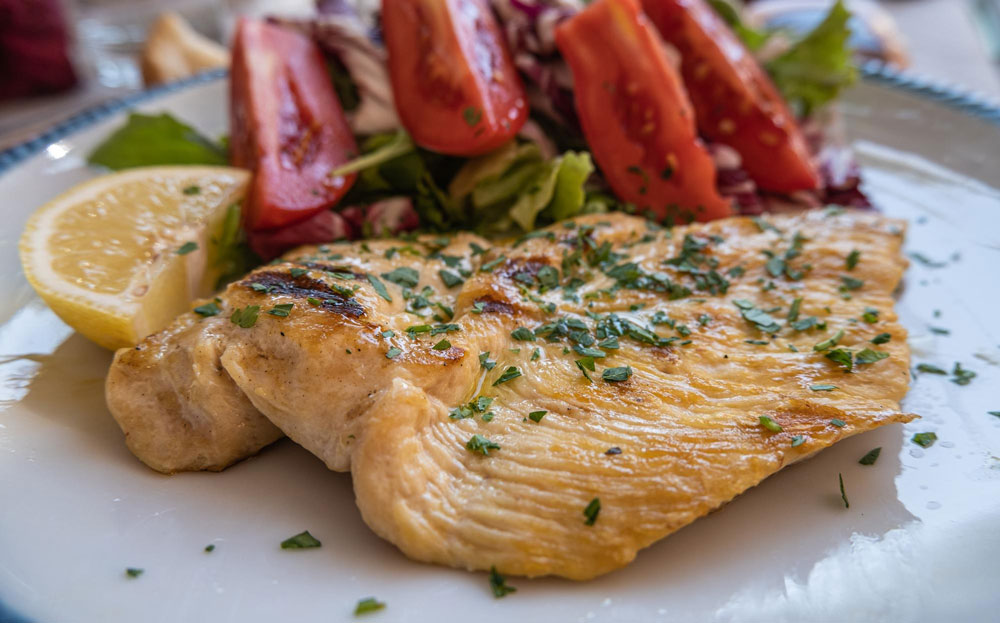
What you do after the initial healing phase matters just as much as what you do during it. Liposuction physically removes fat cells from targeted areas, but it doesn’t stop the body from gaining fat elsewhere if weight isn’t managed.
Maintaining your results means committing to sustainable, anti-inflammatory eating habits that keep your metabolism stable and support skin health.
Key Tips:
- Stay hydrated year-round to support skin elasticity and metabolic balance.
- Minimize processed foods even after recovery—preserving your body shape is a long-term lifestyle choice.
- Eat like you’re still healing: Prioritize nutrients, not calories.
- Avoid weight fluctuations to prevent fat return in untreated areas, as Plastic Surgery STL explains in their post-op care guide.
- If unsure about your diet, consult your provider or a registered dietitian for personalized guidance.
Why Choose Perizia Aesthetics for Liposuction in Jupiter, FL
At Perizia Aesthetics, we specialize in laser-assisted SmartLipo, a minimally invasive liposuction procedure ideal for individuals seeking targeted fat reduction with faster recovery times.
Our team understands that what happens after your procedure is just as important as the treatment itself. That’s why we guide our clients through the entire recovery journey—from nutritional recommendations to long-term body wellness.
With advanced equipment, individualized care plans, and a holistic approach to aesthetics, we’re here to help you not only achieve your ideal look—but maintain it.
Ready to take the next step? Call us at 561-318-7895 or book your consultation here.
Final Thoughts
SmartLipo is more than a fat removal procedure—it’s a commitment to a healthier, more confident you. And that journey doesn’t end once you leave the treatment room.
By fueling your recovery with the right foods and avoiding those that slow healing, you’ll be setting yourself up for a faster recovery, smoother skin, and lasting results.
Let Perizia Aesthetics be your trusted partner every step of the way.
Explore our Smart Liposuction service page for more details or schedule your personalized consultation today.